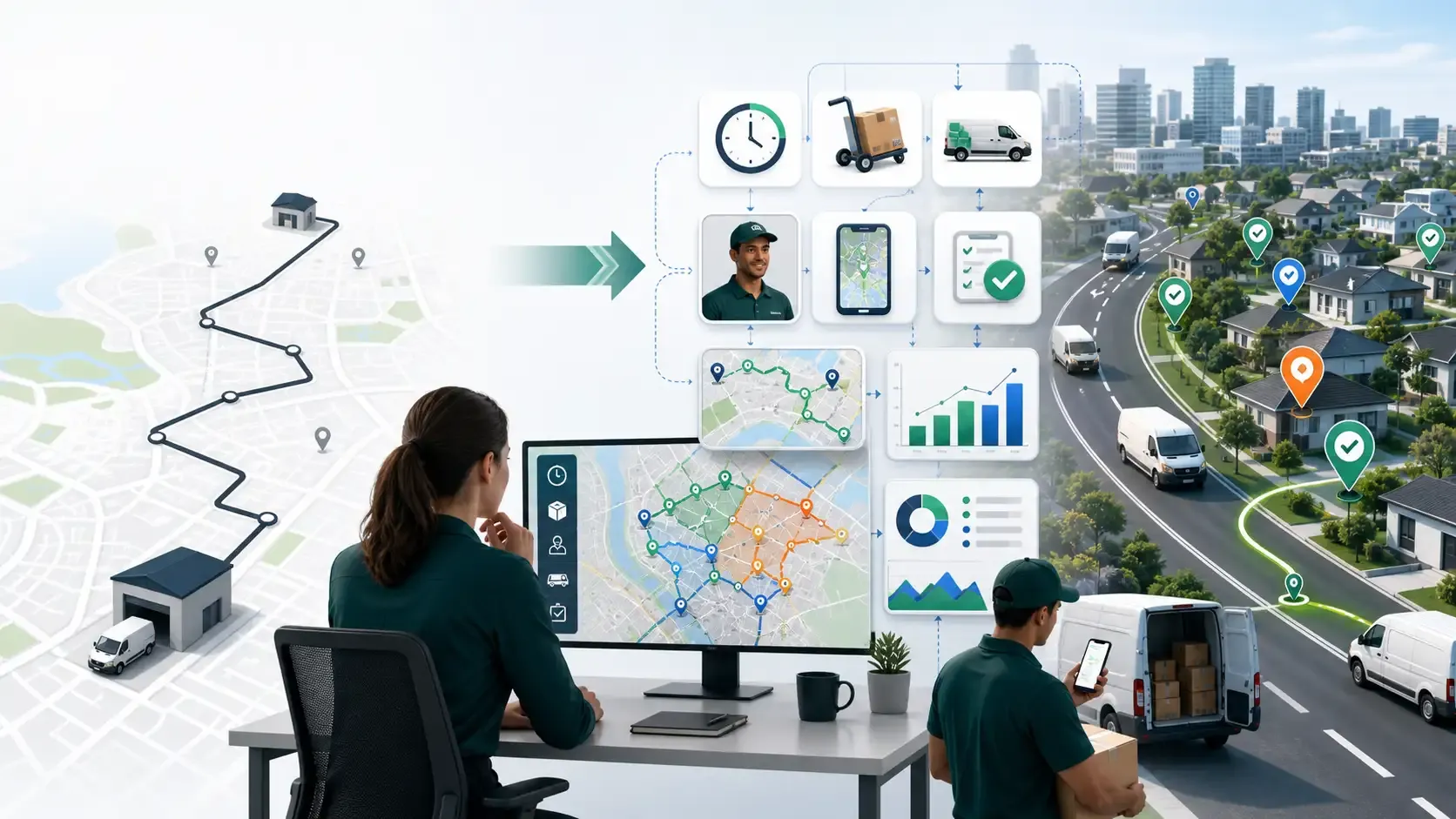
How to Run a Route Optimization Pilot With Your Existing Delivery Data
A practical route optimization pilot uses real delivery data, clear constraints and dispatcher review to test planning opportunities before changing the wider operation.
Practical articles for delivery operators improving route plans, dispatch visibility, driver workflows, proof of delivery, and reporting.
Showing 11 route optimization articles.
View all articles
A practical route optimization pilot uses real delivery data, clear constraints and dispatcher review to test planning opportunities before changing the wider operation.

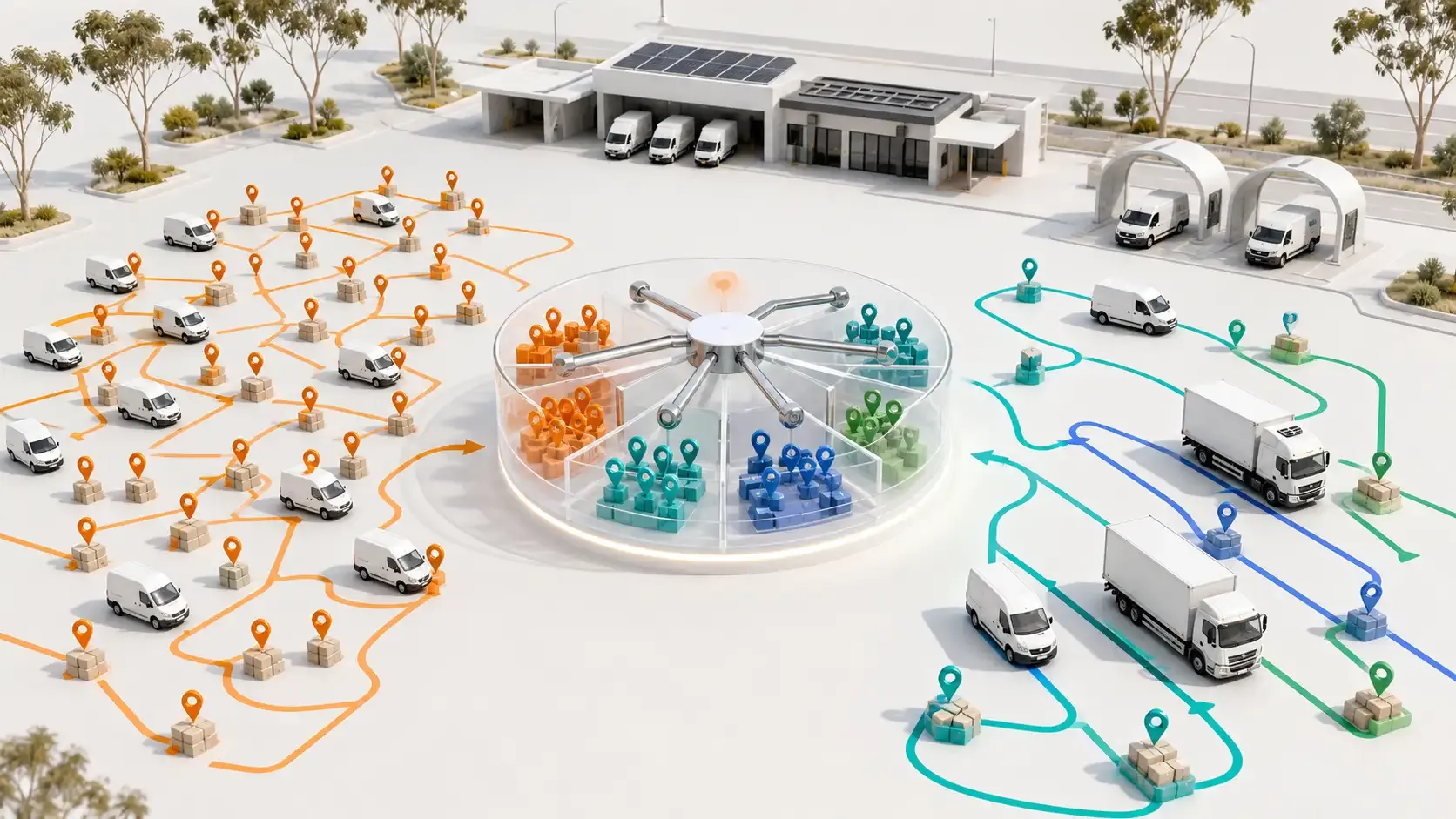
Route optimization may help delivery teams complete the same work with fewer vehicles by improving mission allocation, capacity use and route structure. Daily vehicle use, however, is different from permanent fleet size.

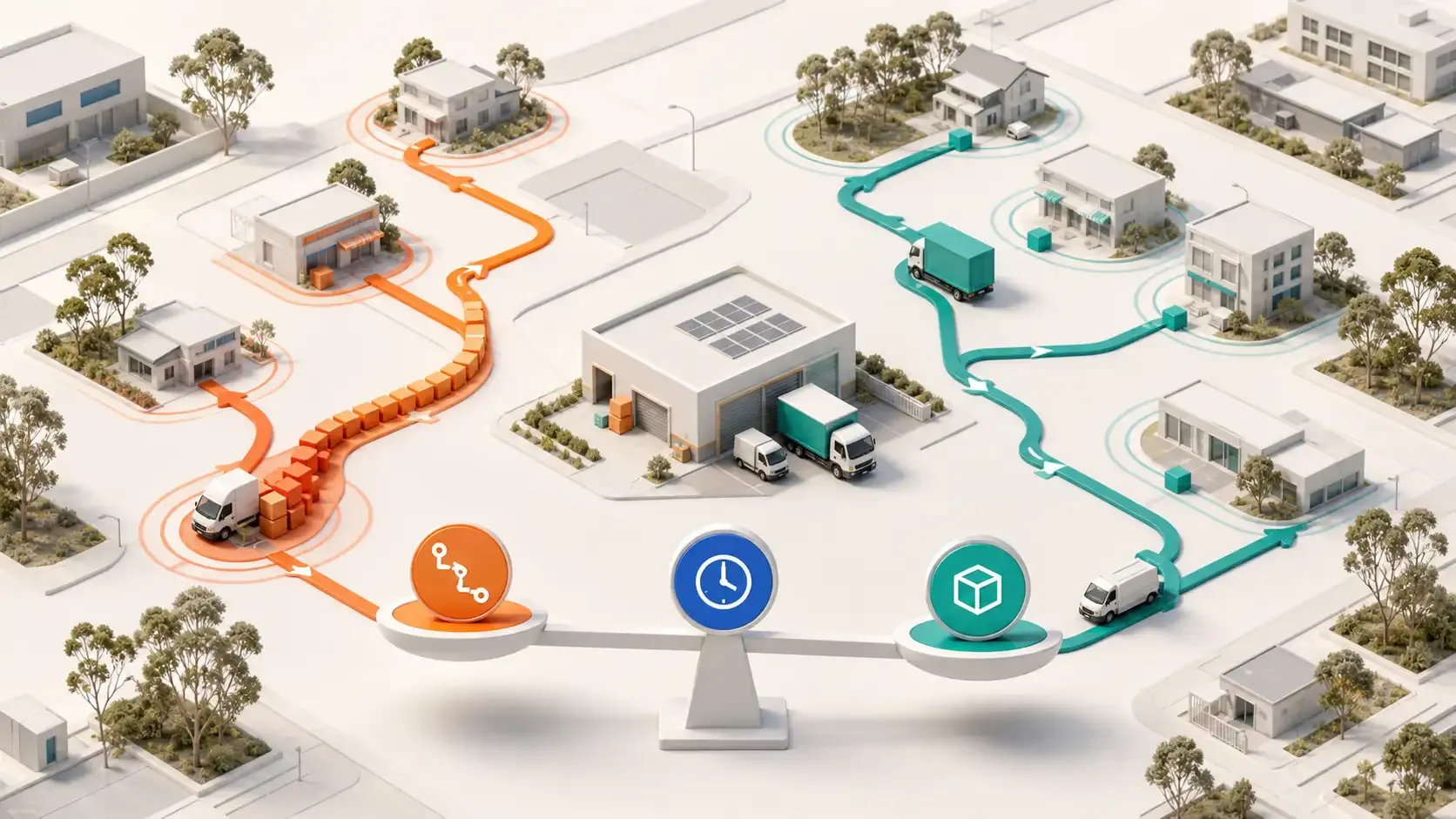
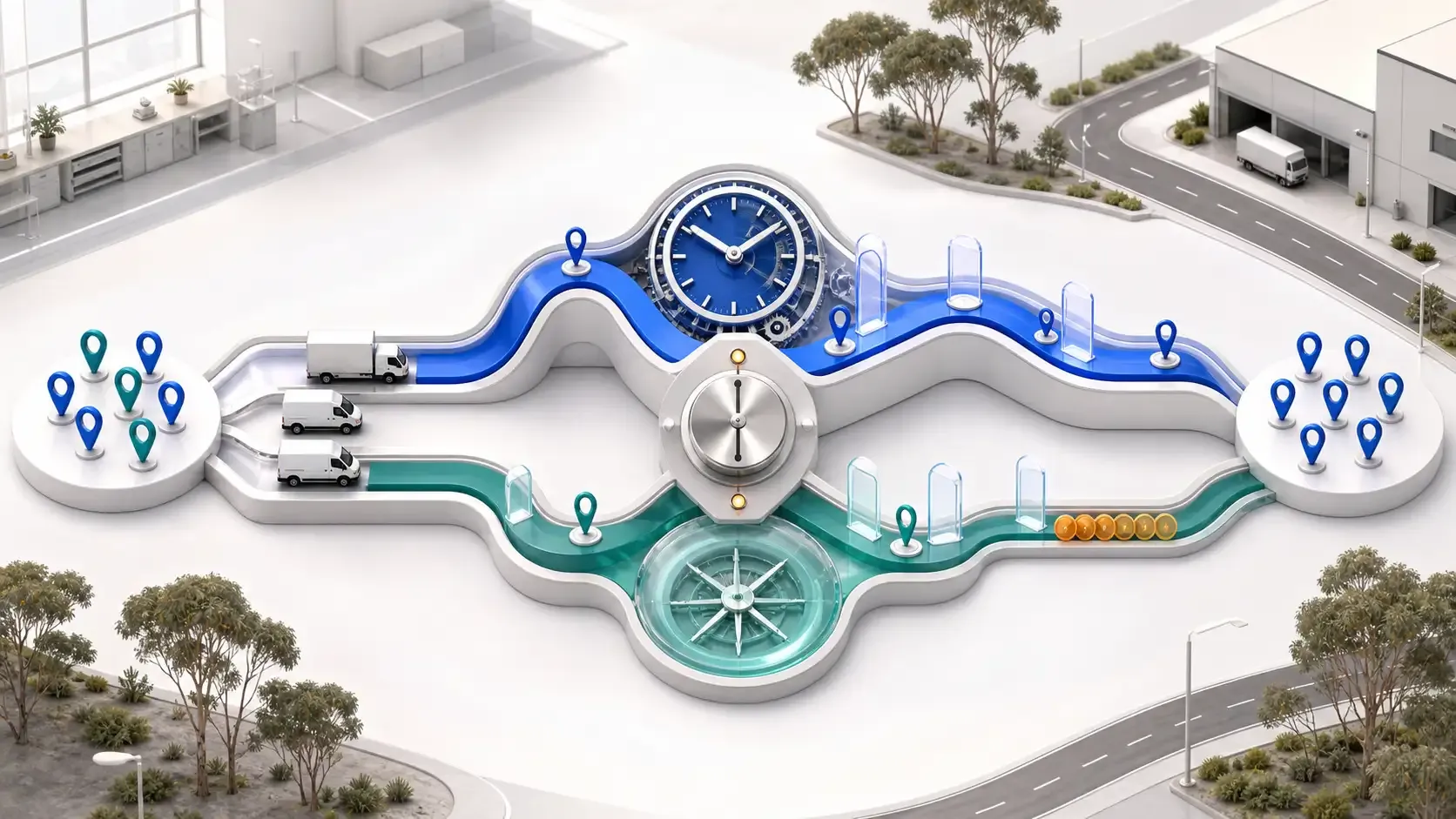
The lowest-distance route plan may require more operating hours, while the lowest-time plan may travel farther. The right objective depends on labour, vehicle, distance and service costs.

The cost of manual route planning extends beyond the dispatcher’s planning time. Excess distance, repeated work, additional vehicles and hidden delivery exceptions can all affect the final cost per completed delivery.

The route with the fewest kilometres is not always the most practical or economical plan. Fleet capacity, operating hours, service time and customer commitments can make a slightly longer route the better decision.

Manual dispatch becomes harder to manage as delivery volume, driver coordination and route complexity grow. This guide explains when Australian teams should move to route optimization software.

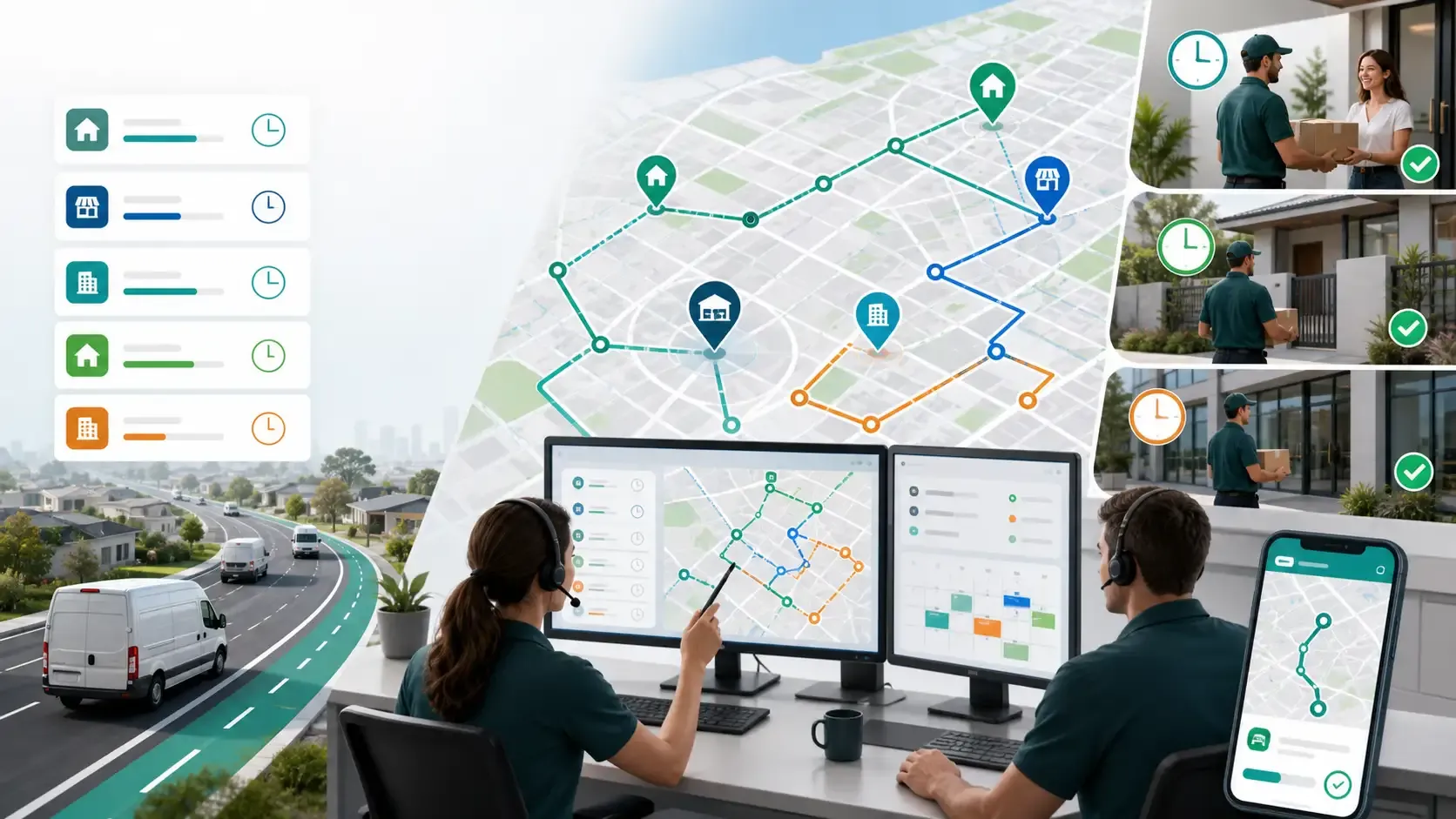
Delivery time windows help teams plan routes around real customer availability, not just distance. Better time-window data leads to more realistic routes, fewer failed attempts, and stronger dispatch control.

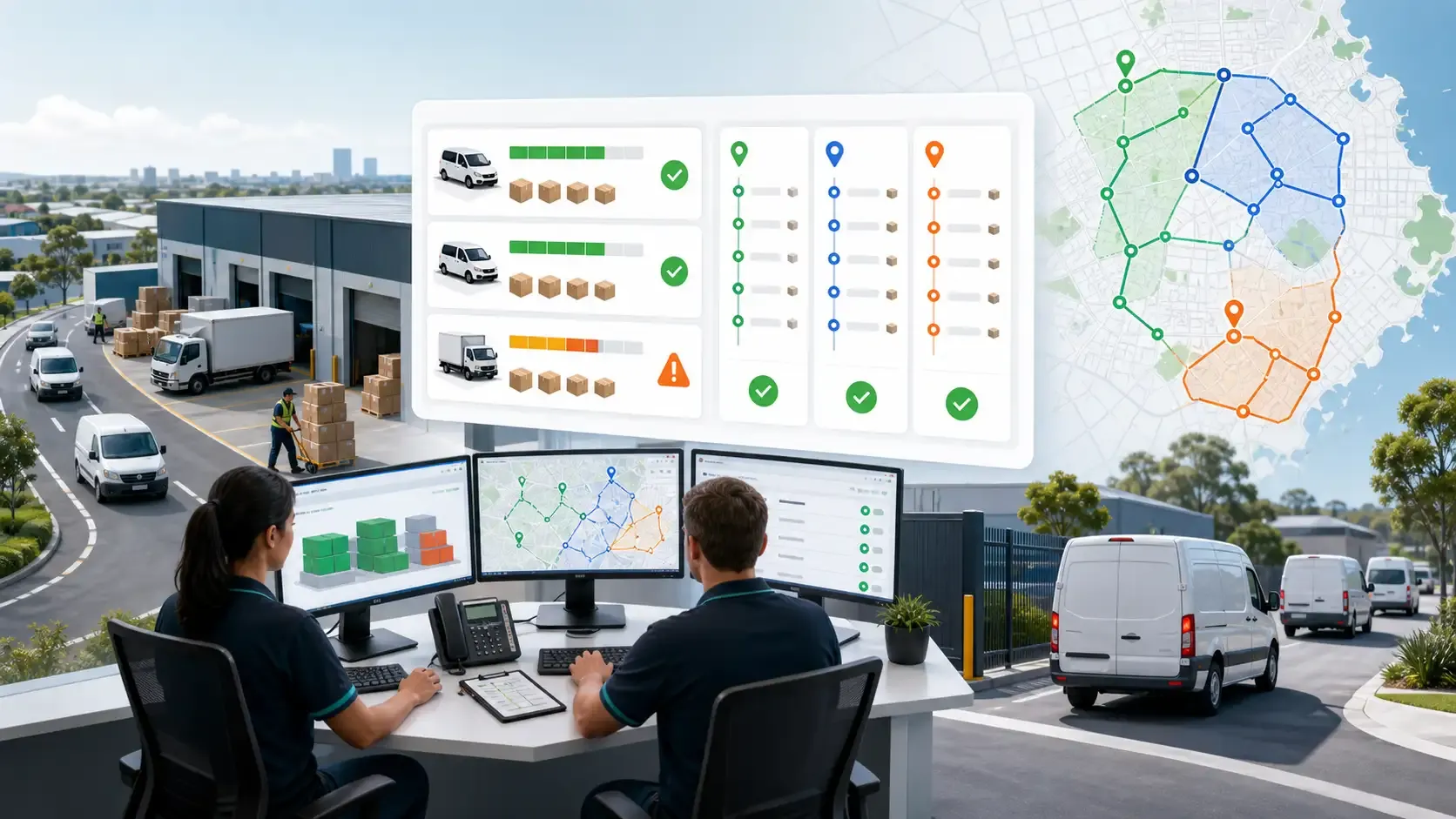
Overloaded routes usually start before the driver leaves the depot. Better vehicle capacity planning helps teams match delivery work to the right vehicle before dispatch.

A shortest-path map can show a route, but last-mile delivery teams need planning tools that understand time windows, vehicle capacity, driver assignments, live monitoring, proof of delivery, and reporting.