Loading Rouptimize content…
Practical articles for delivery operators improving route plans, dispatch visibility, driver workflows, proof of delivery, and reporting.
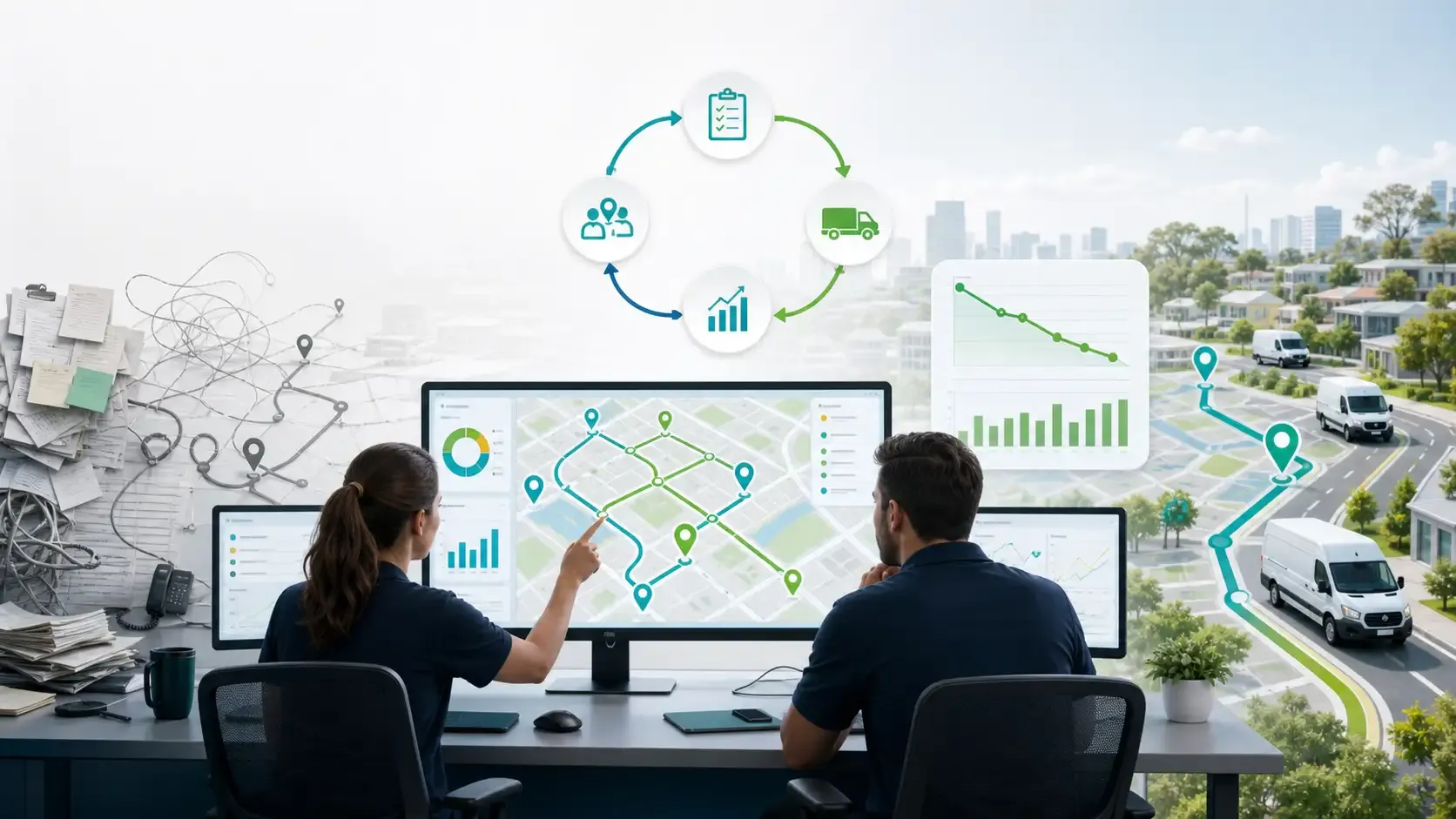
Route optimization is not only a software change. The teams that reduce delivery cost over time are the ones that accept operational change, collect better data, review reports, and keep improving decisions.

The cost of manual route planning extends beyond the dispatcher’s planning time. Excess distance, repeated work, additional vehicles and hidden delivery exceptions can all affect the final cost per completed delivery.
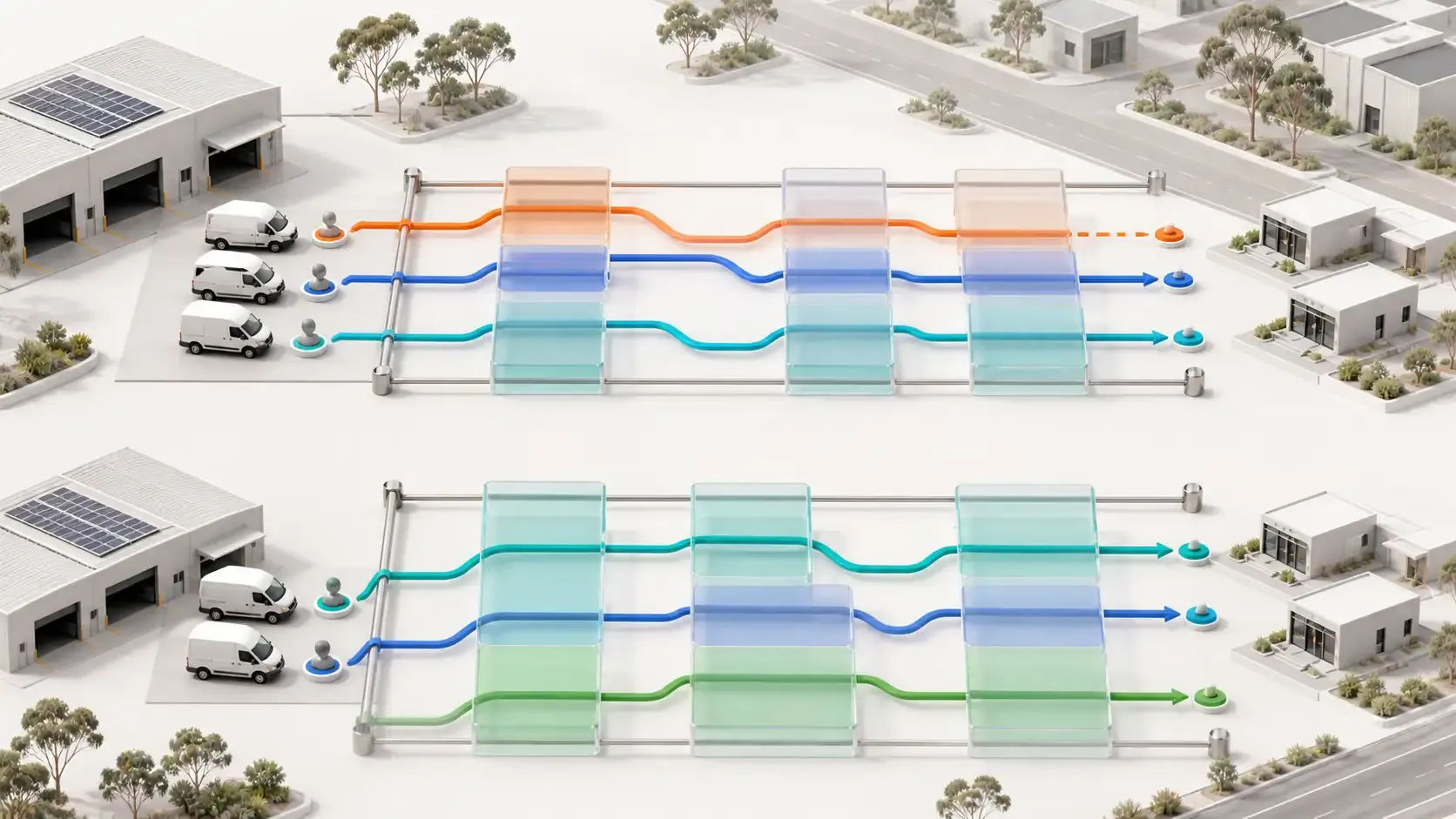
The number of vehicles required for a delivery day depends partly on how long each vehicle and driver is genuinely available. Working windows should shape routes before dispatch, not become problems after departure.
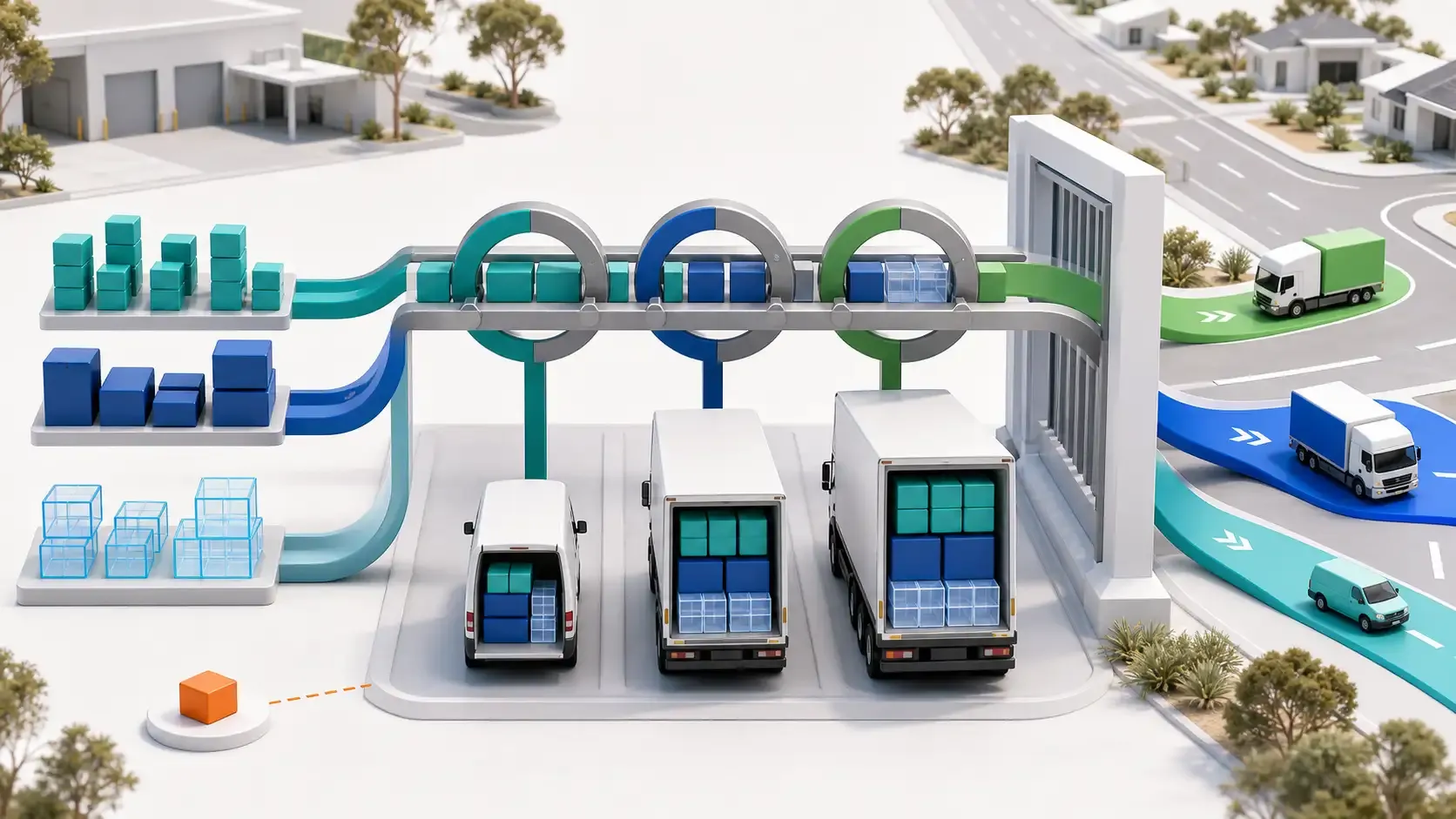
Route optimization can only create practical plans when it understands what each vehicle can carry. Accurate item, weight and volume capacity data connects route planning with real dispatch decisions.
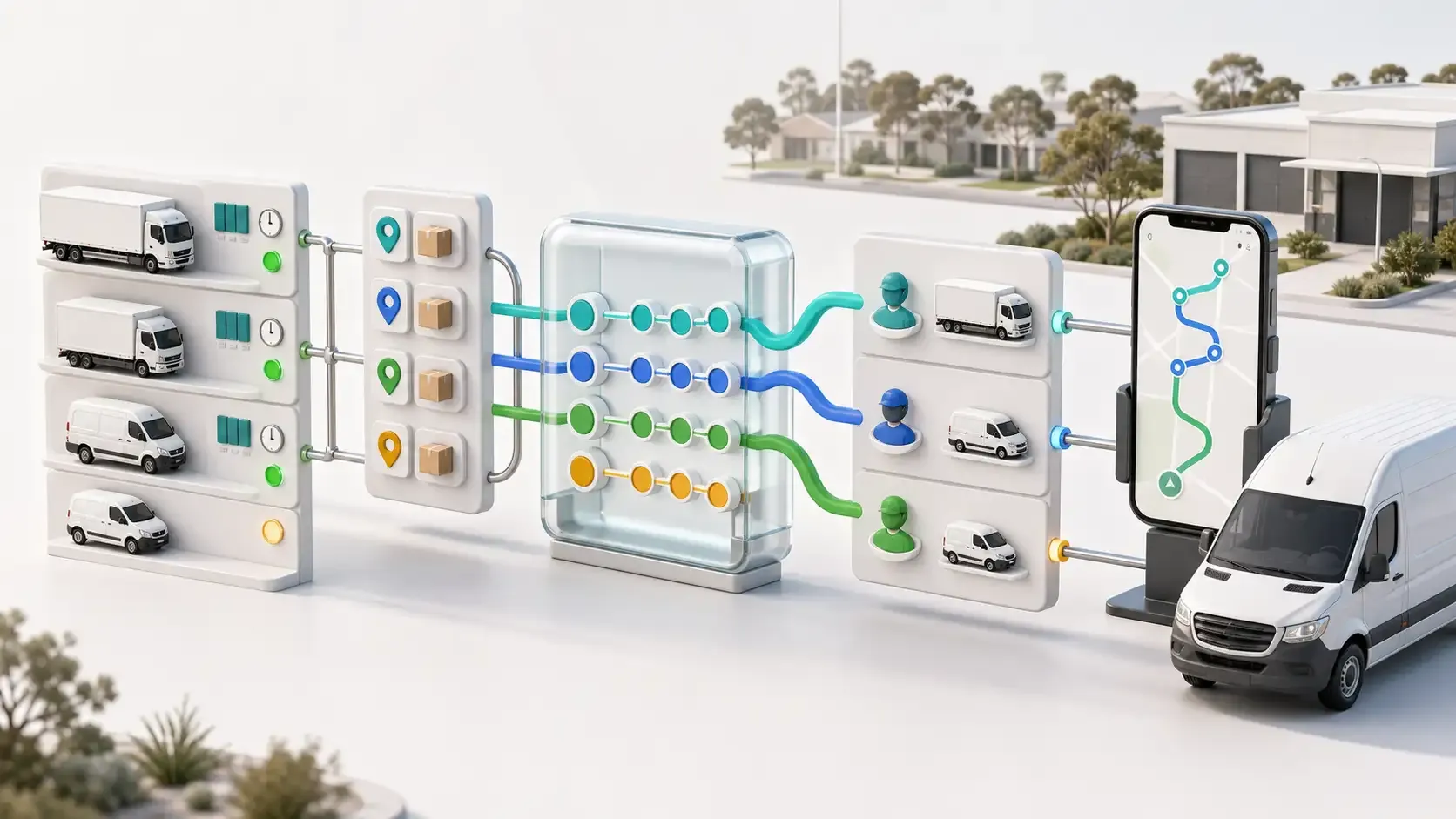
Vehicle and order records only become operationally valuable when they help create practical routes, clear assignments and driver-ready work. A connected workflow keeps that information moving from planning to delivery completion.
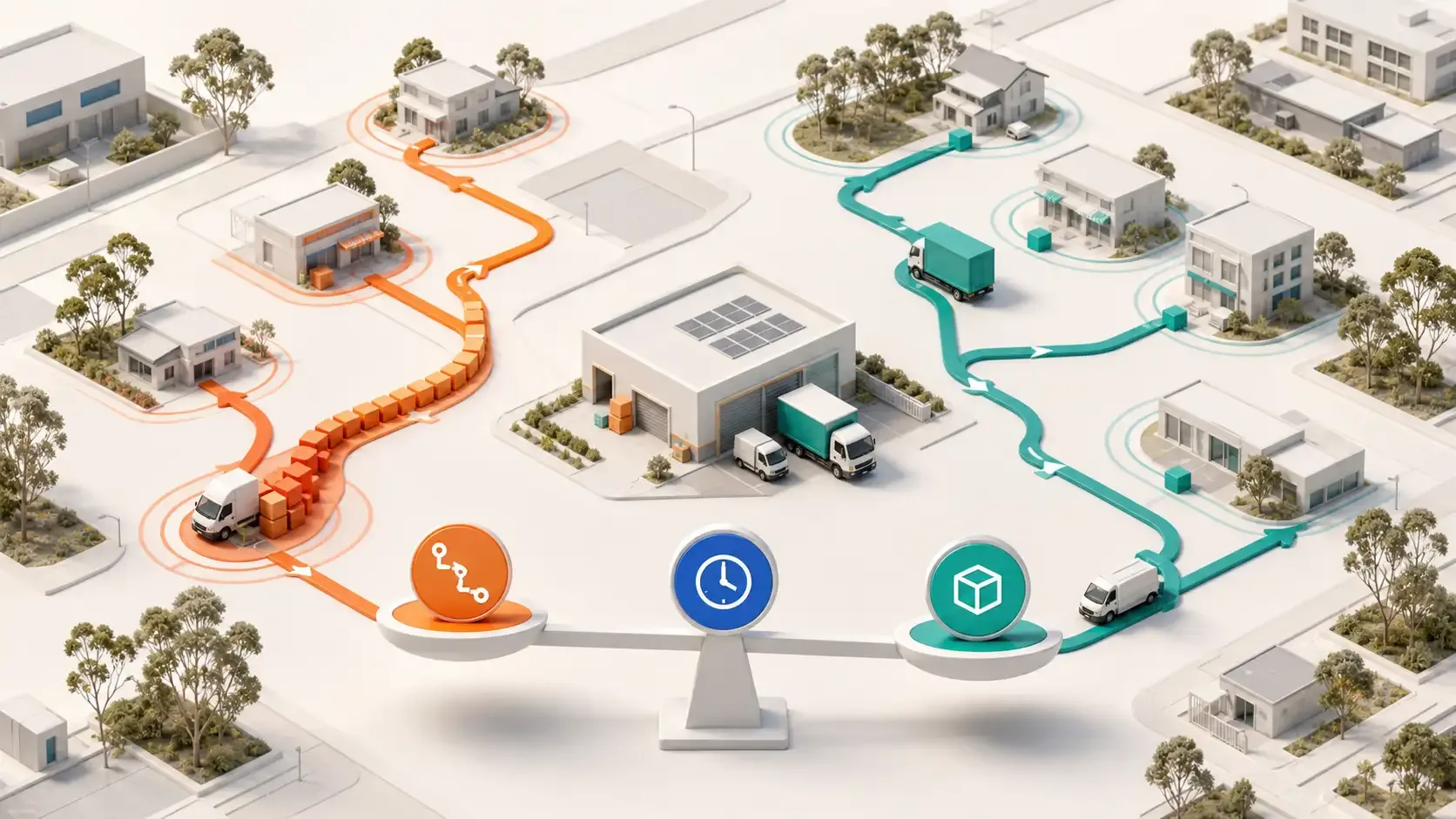
The route with the fewest kilometres is not always the most practical or economical plan. Fleet capacity, operating hours, service time and customer commitments can make a slightly longer route the better decision.
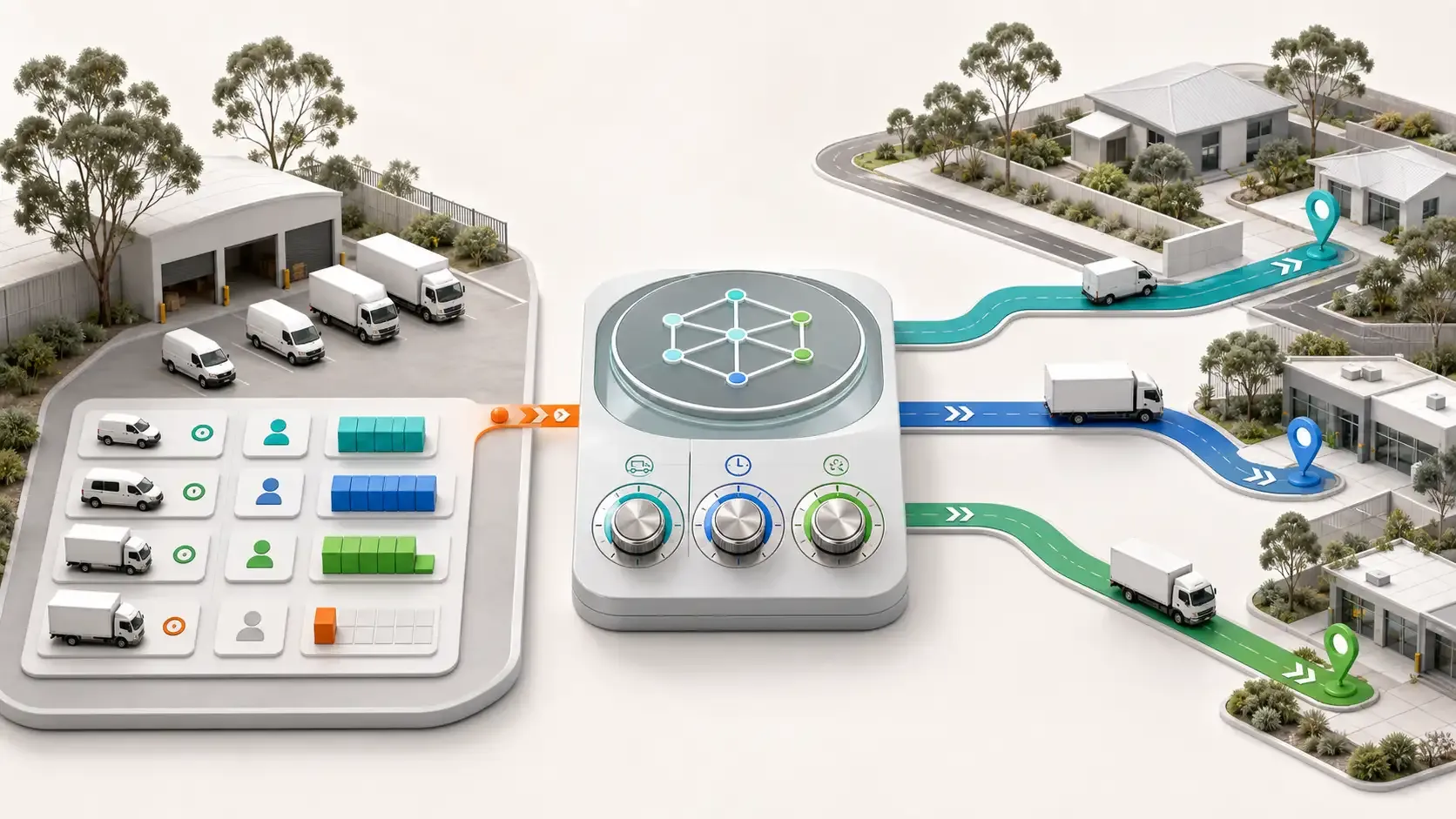
Dispatch software coordinates the delivery day, while fleet management keeps vehicle, driver, capacity and availability data current. Connecting both helps Australian operators control the decisions that shape delivery cost.
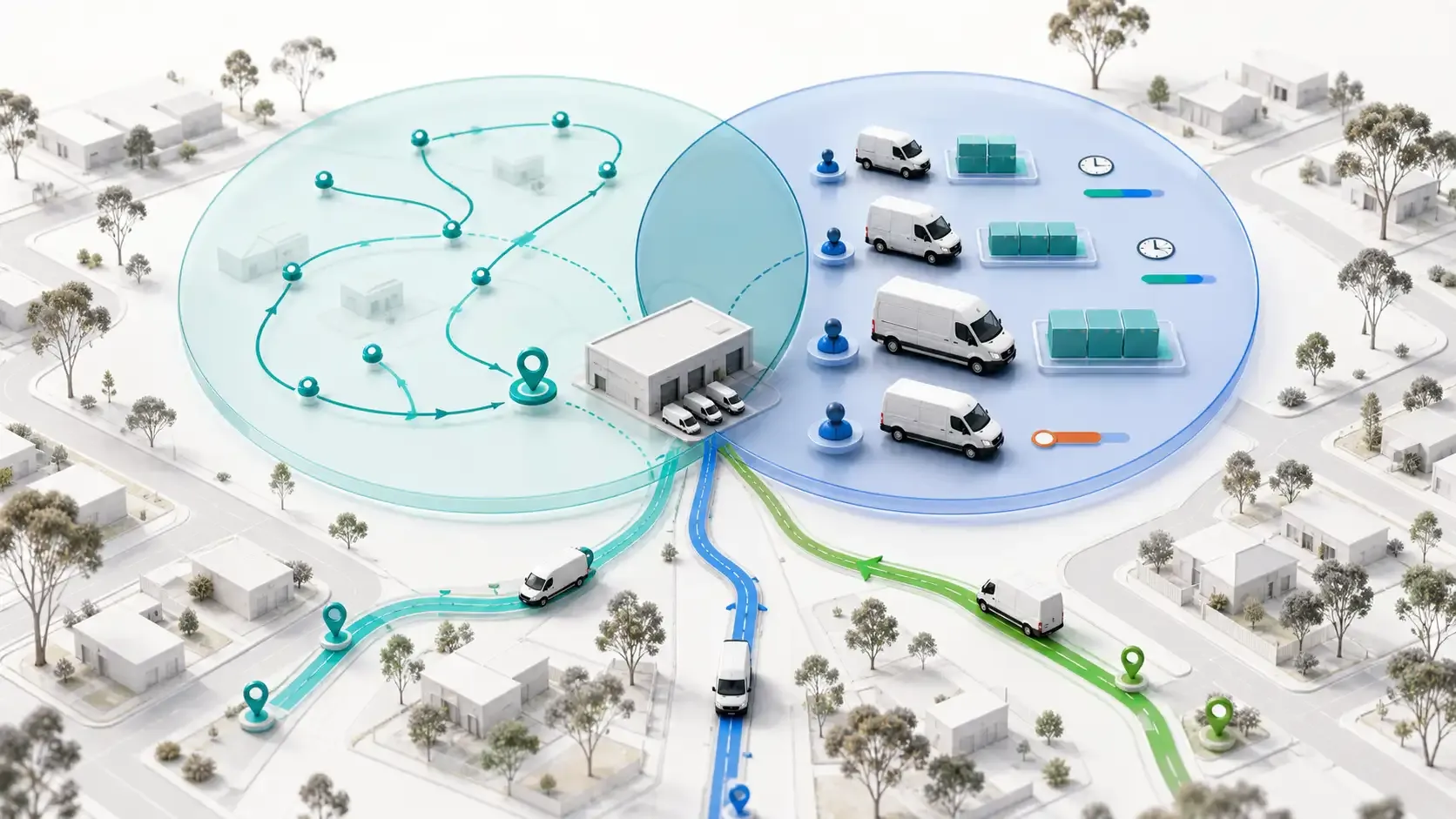
Route optimization plans how delivery work should move, while fleet management defines which vehicles and drivers can complete it. Connecting both gives Australian delivery teams more practical routes, clearer dispatch decisions and better control over delivery costs.
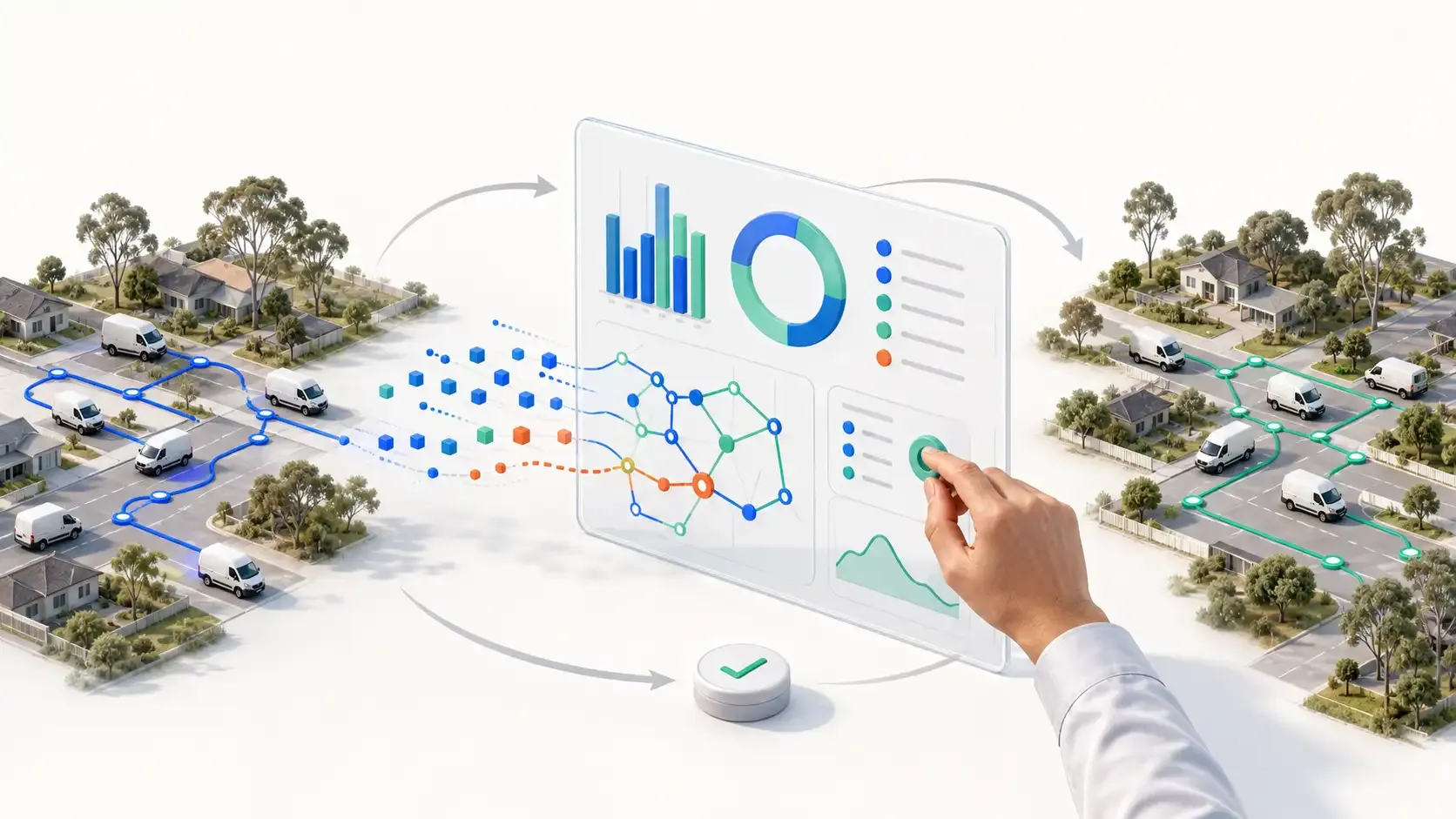
A practical guide to using route, mission, driver and fleet data to identify operational problems, test improvements and make better delivery decisions over time.